Introduction to Sourdough Bread
There’s something magical about the aroma of freshly baked sourdough bread wafting through the kitchen. It’s like a warm hug on a busy day, isn’t it? As a passionate home cook, I know how challenging it can be to juggle work, family, and meal prep. That’s why I’m excited to share this sourdough bread recipe with you! It’s not just about the delicious taste; it’s about creating something special for your loved ones. Whether you’re a seasoned baker or just starting out, this guide will help you master the art of sourdough with ease.
Why You’ll Love This Sourdough Bread
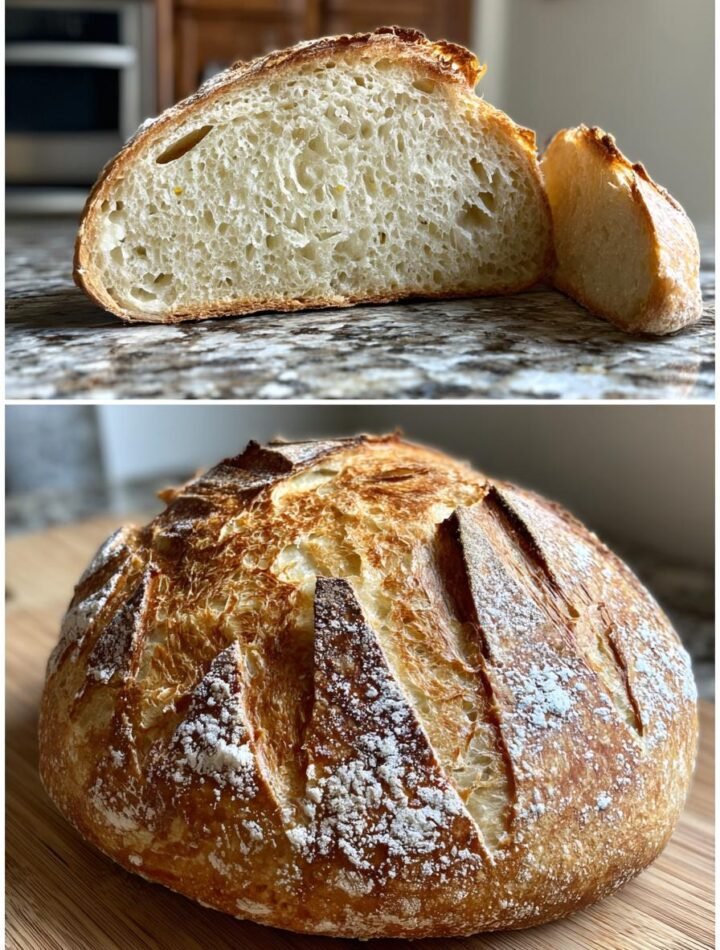
This sourdough bread is a game-changer for busy moms and professionals alike. It’s surprisingly easy to make, requiring minimal hands-on time while delivering maximum flavor. The crust is perfectly crispy, while the inside is soft and chewy—just like you’d find in a bakery! Plus, the satisfaction of creating your own artisan bread at home is truly rewarding. Trust me, your family will be begging for more!
Ingredients for Sourdough Bread
Before we dive into the baking process, let’s gather our ingredients. Each one plays a vital role in creating that perfect loaf of sourdough bread. Here’s what you’ll need:
- Bread Flour: This is the backbone of your sourdough. It has a higher protein content, which helps develop gluten for that chewy texture we all love.
- Water: Hydration is key! Water activates the flour and helps the dough come together. Use filtered water if possible for the best results.
- Sourdough Starter: This is your secret weapon! A bubbly, active starter is essential for fermentation and flavor. If you don’t have one, you can easily make your own or find a friend to share.
- Salt: Not just for flavor, salt strengthens the dough and controls fermentation. It’s a small but mighty ingredient!
Feel free to experiment with different types of flour, like whole wheat or rye, for unique flavors. Just remember, the exact measurements for these ingredients are at the bottom of the article, ready for you to print out and keep handy!
How to Make Sourdough Bread
Now that we have our ingredients ready, let’s dive into the exciting process of making sourdough bread! Each step is crucial, so let’s take it one at a time. I promise, the end result will be worth every minute spent in the kitchen.
Step 1: Mix the Dough
Start by grabbing a large bowl. Combine the bread flour and water, mixing until no dry flour remains. It’s like a dance, really—just keep stirring until everything is well blended. You want a shaggy, sticky dough that feels alive in your hands!
Step 2: Incorporate the Starter and Salt
Next, add your bubbly sourdough starter and salt to the dough. Mix it all together until fully incorporated. I like to use my hands for this part; it’s a great way to feel the texture change. The dough should start to come together beautifully!
Step 3: Rest the Dough
Now, cover the bowl with a damp cloth and let the dough rest for 30 minutes. This is a crucial step! It allows the flour to hydrate and the gluten to start developing. Think of it as a little nap for your dough, helping it wake up ready to rise!
Step 4: Stretch and Fold
After the rest, it’s time for some gentle exercise! Perform a series of stretch and folds every 30 minutes for the next 2-3 hours. To do this, wet your hands, grab one side of the dough, stretch it up, and fold it over itself. Repeat this around the bowl. It’s a fun way to build strength in your dough!
Step 5: Shape the Dough
Once your dough has risen and feels airy, it’s time to shape it. Lightly flour your work surface and turn the dough out. Gently shape it into a round loaf by tucking the edges into the center. Place it seam-side up in a proofing basket. This will help it hold its shape while it rises!
Step 6: Rise the Dough
Now, let your dough rise! You can choose to let it sit at room temperature for 4-6 hours or pop it in the fridge overnight for a slow rise. The longer it rises, the more flavor it develops. It’s like a little secret waiting to be revealed!
Step 7: Preheat the Oven
About 30 minutes before you’re ready to bake, preheat your oven to 450°F (230°C) with a Dutch oven inside. This step is essential for creating that perfect crust. The heat will help your bread spring up beautifully as it bakes!
Step 8: Bake the Bread
Carefully transfer the dough to the hot Dutch oven. I like to score the top with a sharp knife; it helps the bread expand while baking. Cover it with the lid and bake for 30 minutes. Then, remove the lid and bake for an additional 15-20 minutes until it’s golden brown and calling your name!
Step 9: Cool and Slice
Once baked, let the bread cool on a wire rack. This is the hardest part—waiting! But trust me, letting it cool properly will make slicing easier and keep that crust crispy. Once it’s cool, slice it up and enjoy the fruits of your labor!
Tips for Success
- Always use an active sourdough starter for the best rise and flavor.
- Keep your workspace clean and organized to make the process smoother.
- Don’t rush the resting and rising times; they’re crucial for flavor development.
- Experiment with different flours to find your favorite taste and texture.
- Use a kitchen scale for precise measurements, ensuring consistent results.
Equipment Needed for Sourdough Bread
- Large Mixing Bowl: Any sturdy bowl will do, but glass or stainless steel works best.
- Measuring Scale: A kitchen scale ensures accuracy; a measuring cup can be a substitute.
- Proofing Basket: A banneton is ideal, but a regular bowl lined with a cloth works too.
- Sharp Knife or Razor Blade: For scoring the dough; a regular knife can work in a pinch.
- Dutch Oven: Essential for baking; a heavy pot with a lid can be a great alternative.
Variations of Sourdough Bread
- Whole Wheat Sourdough: Substitute half of the bread flour with whole wheat flour for a nuttier flavor and added fiber.
- Herb-Infused Sourdough: Add fresh or dried herbs like rosemary or thyme to the dough for a fragrant twist.
- Cheese and Jalapeño Sourdough: Fold in shredded cheese and diced jalapeños for a spicy, cheesy delight.
- Olive and Sun-Dried Tomato Sourdough: Incorporate chopped olives and sun-dried tomatoes for a Mediterranean flair.
- Gluten-Free Sourdough: Use a gluten-free flour blend and adjust hydration levels for a gluten-free version.
Serving Suggestions for Sourdough Bread
- Pair with Soup: A warm bowl of tomato basil soup complements the crusty bread perfectly.
- Enjoy with Cheese: Serve slices with a variety of cheeses for a delightful cheese board.
- Top with Avocado: Spread ripe avocado on toasted slices for a nutritious breakfast.
- Accompany with Olive Oil: Drizzle with high-quality olive oil and balsamic vinegar for dipping.
- Presentation: Serve on a wooden board for a rustic, inviting look.
FAQs about Sourdough Bread
What is sourdough bread?
Sourdough bread is a type of bread made using a naturally fermented sourdough starter instead of commercial yeast. This fermentation process gives it a unique tangy flavor and a chewy texture that many people adore.
How do I know if my sourdough starter is active?
Your sourdough starter is active when it’s bubbly and has doubled in size within a few hours after feeding. It should have a pleasant, slightly sour smell. If it’s not rising, it may need more time or a warmer environment.
Can I use all-purpose flour instead of bread flour?
Yes, you can use all-purpose flour, but the texture may be slightly different. Bread flour has a higher protein content, which helps develop gluten, resulting in a chewier loaf. If you use all-purpose flour, your sourdough bread will still be delicious!
How long does sourdough bread last?
Homemade sourdough bread can last about 3-5 days at room temperature. To keep it fresh longer, consider freezing it. Just slice it first, so you can grab a piece whenever you crave that delightful taste!
Can I make sourdough bread without a Dutch oven?
Absolutely! If you don’t have a Dutch oven, you can use a heavy pot with a lid or even a baking stone. Just make sure to create steam in the oven by adding a pan of water on the bottom rack while baking.
Final Thoughts
Making sourdough bread is more than just a recipe; it’s an experience that brings joy and satisfaction. The process allows you to connect with your food, transforming simple ingredients into something extraordinary. Each loaf tells a story, from the first mix to the final slice. I love watching my family gather around the table, eagerly awaiting that first warm slice. Whether you’re sharing it with loved ones or enjoying it solo, the taste of homemade sourdough bread is a reminder of the love and care that goes into cooking. So, roll up your sleeves and enjoy this delightful journey!
PrintSourdough Bread: Discover the Secrets to Perfecting It!
A comprehensive guide to making the perfect sourdough bread, including tips and techniques for achieving the best results.
- Prep Time: 30 minutes
- Cook Time: 45 minutes
- Total Time: 5-6 hours (including rising time)
- Yield: 1 loaf 1x
- Category: Bread
- Method: Baking
- Cuisine: American
- Diet: Vegetarian
Ingredients
- 500g bread flour
- 350ml water
- 100g sourdough starter
- 10g salt
Instructions
- In a large bowl, mix the bread flour and water until no dry flour remains.
- Add the sourdough starter and salt, and mix until fully incorporated.
- Cover the bowl with a damp cloth and let it rest for 30 minutes.
- Perform a series of stretch and folds every 30 minutes for the next 2-3 hours.
- Shape the dough and place it in a proofing basket.
- Let the dough rise for 4-6 hours at room temperature or overnight in the fridge.
- Preheat the oven to 230°C (450°F) with a Dutch oven inside.
- Carefully transfer the dough to the hot Dutch oven, score the top, and cover.
- Bake for 30 minutes covered, then remove the lid and bake for an additional 15-20 minutes until golden brown.
- Let the bread cool on a wire rack before slicing.
Notes
- Ensure your sourdough starter is active and bubbly before using.
- Adjust the hydration level based on your flour type.
- Experiment with different flours for unique flavors.
Nutrition
- Serving Size: 1 slice
- Calories: 150
- Sugar: 0.5g
- Sodium: 200mg
- Fat: 1g
- Saturated Fat: 0g
- Unsaturated Fat: 0g
- Trans Fat: 0g
- Carbohydrates: 30g
- Fiber: 2g
- Protein: 5g
- Cholesterol: 0mg