Introduction to Brioche
Ah, brioche! Just saying the word makes my heart flutter. This rich, soft bread is like a warm hug on a busy morning. I know how hectic life can get, especially for us busy moms and professionals. That’s why I adore this brioche recipe. It’s not just a treat; it’s a quick solution for breakfast or a delightful base for sandwiches. Imagine serving your loved ones a slice of this buttery goodness, fresh from the oven. Trust me, they’ll be asking for seconds! Let’s dive into the secrets of making the perfect brioche together.
Why You’ll Love This Brioche
This brioche recipe is a game-changer for busy days. It’s surprisingly easy to make, even for novice bakers. The rich, buttery flavor will have your family raving about it for days. Plus, the soft texture makes it perfect for everything from breakfast toast to decadent French toast. You’ll love how quickly it comes together, giving you more time to enjoy the little moments with your loved ones.
Ingredients for Brioche
Gathering the right ingredients is the first step to creating your perfect brioche. Here’s what you’ll need:
- All-purpose flour: This is the backbone of your brioche, giving it structure and a soft crumb.
- Sugar: A touch of sweetness enhances the flavor and helps with browning. You can adjust the amount based on your taste.
- Salt: Essential for balancing flavors, salt also strengthens the dough.
- Active dry yeast: This little powerhouse helps your dough rise, creating that airy texture we all love.
- Milk: Warmed milk adds moisture and richness, making your brioche even more delightful.
- Eggs: They contribute to the brioche’s rich flavor and help bind everything together.
- Unsalted butter: The star of the show! Softened butter gives brioche its signature buttery flavor and tender texture.
Feel free to experiment! For a sweeter brioche, consider adding a bit more sugar. If you’re out of milk, you can substitute with almond or oat milk for a dairy-free option. All ingredient quantities are listed at the bottom of the article for your convenience, ready for printing!
How to Make Brioche
Step 1: Prepare the Yeast Mixture
Start by combining warm milk and active dry yeast in a bowl. The milk should feel warm to the touch, not hot. Let this mixture sit for about 5 minutes. You’ll know it’s ready when it becomes frothy and bubbly. This step is crucial for activating the yeast, which is the magic behind your brioche’s rise.
Step 2: Mix Dry Ingredients
In a large mixing bowl, whisk together the all-purpose flour, sugar, and salt. This is where the foundation of your brioche begins. Make sure to mix well, so the salt and sugar are evenly distributed throughout the flour. This simple step ensures that every bite of your brioche is perfectly balanced.
Step 3: Combine Ingredients
Now, it’s time to bring it all together! Add the frothy yeast mixture and eggs to the dry ingredients. Mix until everything is combined. You can use a wooden spoon or your hands for this. The dough will be sticky at first, but don’t worry; it will come together beautifully.
Step 4: Knead the Dough
Transfer the dough to a floured surface and knead it for about 10 minutes. Use the heel of your hand to push the dough away from you, then fold it back over itself. This process develops the gluten, giving your brioche that lovely soft texture. You’ll know it’s ready when the dough is smooth and elastic.
Step 5: Incorporate Butter
Gradually add the softened unsalted butter to the dough while kneading. This step is where the magic happens! The butter will make your brioche rich and tender. Keep kneading until the butter is fully incorporated, and the dough is shiny. It might take a little extra effort, but it’s worth it!
Step 6: First Rise
Once your dough is ready, cover it with a clean kitchen towel or plastic wrap. Place it in a warm spot to rise for 1-2 hours, or until it has doubled in size. This is the perfect time to tidy up your kitchen or enjoy a cup of coffee. The aroma of rising dough is simply heavenly!
Step 7: Preheat the Oven
As your dough rises, preheat your oven to 375°F (190°C). Preheating is essential for achieving that golden-brown crust. It ensures that your brioche bakes evenly and beautifully. Trust me, you want that perfect crust!
Step 8: Shape the Dough
After the first rise, punch down the dough gently to release any air bubbles. Now, shape it into loaves or rolls, depending on your preference. This is where you can get creative! Place the shaped dough into greased pans, making sure they have enough space to rise again.
Step 9: Second Rise
Cover the shaped dough again and let it rise for another 30-45 minutes. This second rise is crucial for achieving that light, airy texture. You’ll notice the dough puffing up, and it’s a beautiful sight to behold!
Step 10: Bake the Brioche
Once the dough has risen, it’s time to bake! Place the pans in the preheated oven and bake for 25-30 minutes. Keep an eye on them; you want them to be golden brown on top. The smell wafting through your kitchen will be irresistible!
Step 11: Cool Before Serving
After baking, let the brioche cool in the pans for a few minutes before transferring them to a wire rack. It’s important to let them cool completely before slicing. This helps maintain that soft texture and prevents them from becoming gummy. Enjoy the anticipation; it’s worth the wait!
Tips for Success
- Use room temperature ingredients for better mixing.
- Don’t rush the rising times; patience is key for fluffy brioche.
- Check your oven temperature with a thermometer for accuracy.
- For a shiny crust, brush the loaves with an egg wash before baking.
- Store leftover brioche in an airtight container to keep it fresh.
Equipment Needed
- Mixing bowls: A large bowl for mixing and a smaller one for the yeast mixture.
- Whisk: Essential for combining dry ingredients; a fork works too!
- Measuring cups and spoons: Accurate measurements are key; use a kitchen scale for precision.
- Oven: A reliable oven is crucial for baking; toaster ovens can work in a pinch.
- Loaf pans: Standard or silicone pans are great; muffin tins can create delightful rolls.
Variations of Brioche
- Chocolate Chip Brioche: Fold in chocolate chips for a sweet twist that’s perfect for dessert or breakfast.
- Fruit and Nut Brioche: Add dried fruits like cranberries or apricots, along with nuts for a delightful texture and flavor.
- Herbed Brioche: Incorporate fresh herbs like rosemary or thyme for a savory version that pairs beautifully with soups and salads.
- Cinnamon Swirl Brioche: Sprinkle cinnamon and sugar in the dough before shaping for a warm, spiced flavor.
- Dairy-Free Brioche: Substitute the butter with coconut oil and use almond or oat milk for a dairy-free option.
Serving Suggestions for Brioche
- French Toast: Transform leftover brioche into decadent French toast topped with fresh berries and maple syrup.
- Sandwiches: Use brioche for gourmet sandwiches, pairing it with savory meats or creamy cheeses.
- With Coffee: Serve slices with a warm cup of coffee or tea for a delightful breakfast treat.
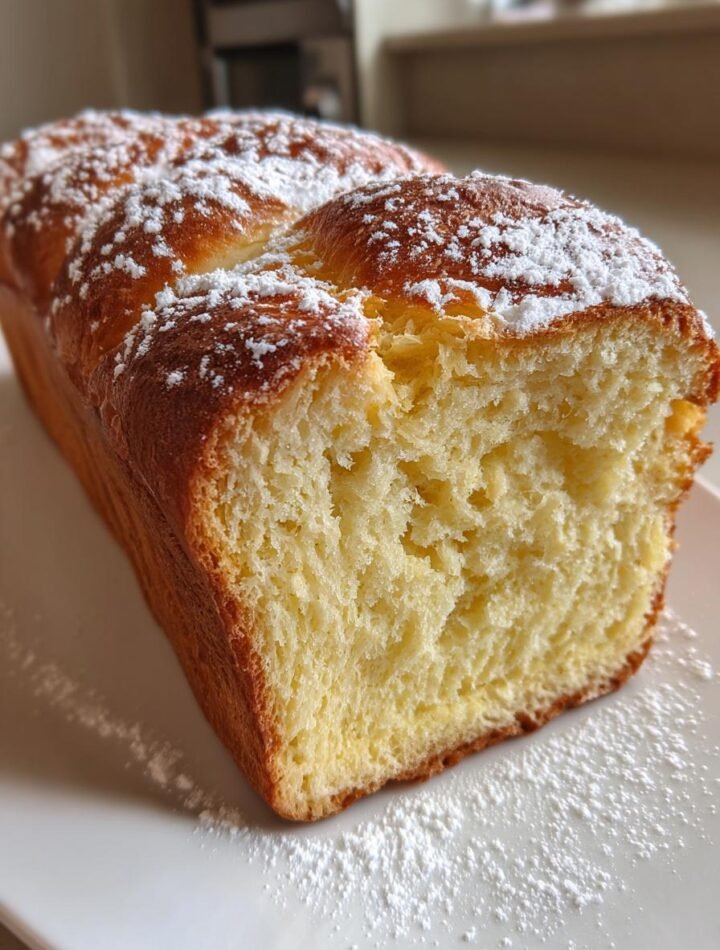
- Presentation: Dust with powdered sugar or drizzle with honey for an elegant touch.
FAQs about Brioche
What makes brioche different from regular bread?
Brioche is richer and softer than regular bread due to its high butter and egg content. This gives it a unique buttery flavor and a light, airy texture that’s simply irresistible.
Can I make brioche ahead of time?
Absolutely! You can prepare the dough in advance and refrigerate it after the first rise. Just let it come to room temperature before shaping and baking. This is a great time-saver for busy mornings!
How do I store leftover brioche?
To keep your brioche fresh, store it in an airtight container at room temperature for up to three days. You can also freeze it for longer storage. Just slice it before freezing for easy access later!
Can I use whole wheat flour instead of all-purpose flour?
Yes, you can! However, using whole wheat flour will change the texture and flavor slightly. You might want to mix it with all-purpose flour for a lighter brioche.
What can I do with stale brioche?
Stale brioche is perfect for making French toast or bread pudding. You can also toast it for a crunchy topping on salads or soups. Don’t let it go to waste!
Final Thoughts
Making brioche is more than just baking; it’s an experience filled with warmth and joy. The aroma of freshly baked bread wafting through your home creates a cozy atmosphere that brings everyone together. Each slice is a testament to your effort and love, perfect for sharing with family and friends. Whether you enjoy it as toast, in a sandwich, or as a sweet treat, brioche is sure to impress. So roll up your sleeves, embrace the process, and savor the delightful moments that come with creating this buttery masterpiece. Happy baking!
PrintBrioche: Discover the Secrets to Perfectly Soft Loaves!

Brioche is a rich, soft bread known for its buttery flavor and light texture, perfect for breakfast or as a base for various dishes.
- Prep Time: 30 minutes
- Cook Time: 30 minutes
- Total Time: 2 hours 30 minutes
- Yield: 2 loaves 1x
- Category: Bread
- Method: Baking
- Cuisine: French
- Diet: Vegetarian
Ingredients
- 4 cups all-purpose flour
- 1/2 cup sugar
- 1 tablespoon salt
- 1 tablespoon active dry yeast
- 1/2 cup milk, warmed
- 4 large eggs
- 1 cup unsalted butter, softened
Instructions
- In a bowl, combine warm milk and yeast; let it sit for 5 minutes until frothy.
- In a large mixing bowl, whisk together flour, sugar, and salt.
- Add the yeast mixture and eggs to the dry ingredients; mix until combined.
- Knead the dough for about 10 minutes until smooth.
- Gradually add softened butter, kneading until fully incorporated.
- Cover the dough and let it rise in a warm place for 1-2 hours until doubled in size.
- Preheat the oven to 375°F (190°C).
- Punch down the dough and shape it into loaves or rolls.
- Place in greased pans and let rise again for 30-45 minutes.
- Bake for 25-30 minutes until golden brown.
- Let cool before serving.
Notes
- For a sweeter brioche, add more sugar to the dough.
- Can be stored in an airtight container for up to 3 days.
- Perfect for French toast or as a base for sandwiches.
Nutrition
- Serving Size: 1 slice
- Calories: 200
- Sugar: 5g
- Sodium: 150mg
- Fat: 10g
- Saturated Fat: 6g
- Unsaturated Fat: 4g
- Trans Fat: 0g
- Carbohydrates: 25g
- Fiber: 1g
- Protein: 4g
- Cholesterol: 50mg